English
 Español
  Português
русский  Français
  日本語
日本語  Deutsch
  tiếng Việt
  Italiano
  Nederlands
  ภาษาไทย
  Polski
한국어  Svenska
  magyar
  Malay
Malay  বাংলা ভাষার
  Dansk
Dansk  Suomi
Suomi  हिन्दी
  Pilipino
  Türkçe
  Gaeilge
  العربية
  Indonesia
  Norsk
Norsk 
تمل  český
český 
ελληνικά 
український  Javanese
فارسی  தமிழ்
தமிழ்  తెలుగు
  नेपाली
  Burmese
  български
  ລາວ
ລາວ  Latine
  Қазақша
  Euskal
  Azərbaycan
  Slovenský jazyk
  Македонски
Lietuvos  Eesti Keel
Română  Slovenski
  मराठी
मराठी  Srpski језик
  简(jiǎn)体中文
Esperanto  Afrikaans
  Català
  שפה עברית
  Cymraeg
  Galego
  繁体中文
繁体中文  Latviešu
  icelandic
  ייִדיש
  беларускі
  Hrvatski
  Kreyòl ayisyen
  Shqiptar
  Malti
Malti  lugha ya Kiswahili
  አማርኛ
አማርኛ  Bosanski
  Frysk
Frysk  ភាសាខ្មែរ
  ქართული
  ગુજરાતી
  Hausa
Hausa  Кыргыз тили
ಕನ್ನಡ  Corsa
Corsa  Kurdî
Kurdî 
മലയാളം  Maori
Maori 
Монгол хэл  Hmong
Hmong 
IsiXhosa  Zulu
Zulu  Punjabi
پښتو 
Chichewa  Samoa
Samoa  Sesotho
  සිංහල
සිංහල  Gàidhlig
  Cebuano
  Somali
Тоҷикӣ  O'zbek
  Hawaiian
  سنڌي
سنڌي  Shinra
  Հայերեն
  Igbo
Igbo  Sundanese
  Lëtzebuergesch
  Malagasy
  Yoruba

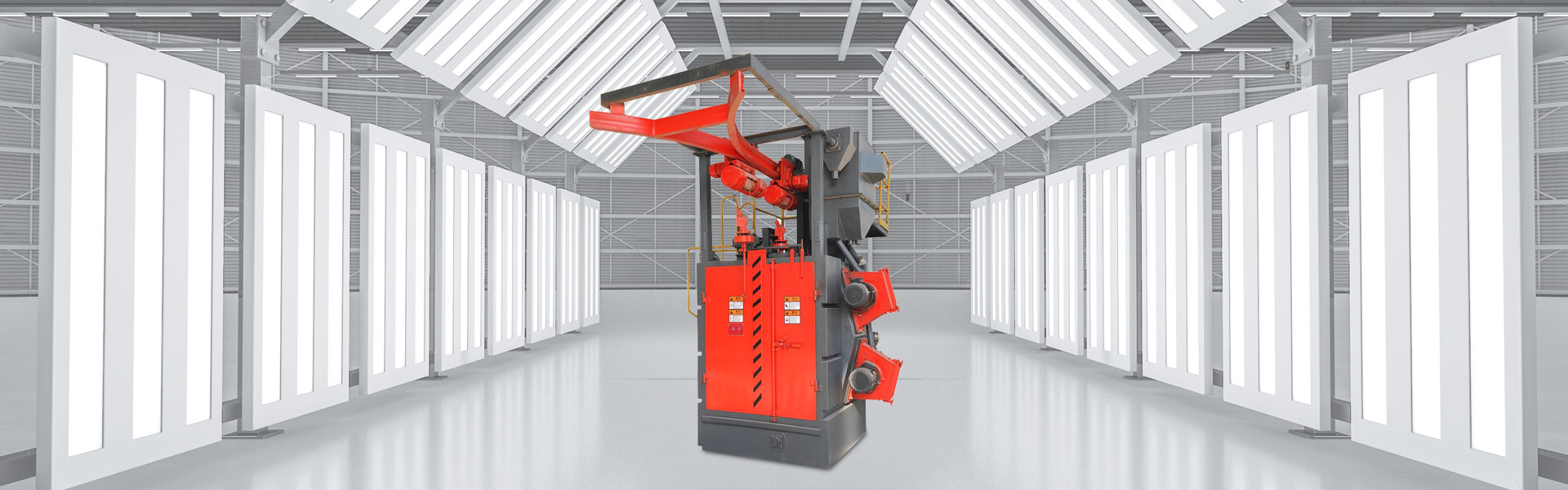
吊钩式抛(pāo)丸(wán)机安装试机注意事项
这(zhè)吊钩式抛丸机一般外观较(jiào)大(dà),安(ān)装过程(chéng)相对(duì)比小型设备复杂。正确(què)的安装(zhuāng)和试机是保(bǎo)证(zhèng)后期设备正常运行(xíng)的关键。在初次操作不熟(shú)练(liàn)的情况下(xià),请用户严格按照相关人员的(de)指示或(huò)参(cān)照使用说明进(jìn)行操作(zuò)。未经授权的操作(zuò)很容易造成不可逆转的损(sǔn)坏吊钩式抛丸机. 这shot blasting machine manufacturer has sorted out the precautions for installation and test machine to share with you. I hope it will be helpful to users who use the device for the first time.
1. Installation. 这吊钩式抛丸机(jī) is installed and debugged in the production plant and disassembled into several parts before being transported to the user site for installation. Although there is no pit, the foundation must be firm, the anchor bolt holes must be standardized, and the chamber body must be adjusted. After the second irrigation, the anchor bolt nuts can be tightened after solidification. After the chamber body is fixed, the various parts can be installed. 这precautions for the installation and debugging of the relevant components are introduced below.
1、抛(pāo)丸装置:
这shot blasting device has been installed on the chamber body before leaving the factory. Please pay attention to the problems to be debugged before use. Check whether the fixed positions of the blade, the pill wheel, the directional sleeve, and the guard plate are accurate and firm, and check whether the direction of rotation is correct after power on. Then adjust the position of the directional sleeve opening. Theoretically, the angle between the front edge of the directional opening and the front edge of the blade throwing position is about 900. After fixing the position of the directional sleeve, the position of the projectile belt can be detected by hanging Place a steel plate or wooden board on the position of the workpiece facing the exit of the shot blasting machine, start the shot blasting machine, put a small amount (2-5kg) of projectiles into the blasting tube, and then stop, check whether the hit position on the steel plate is suitable for the needs, such as Close the window of the bias-adjustable directional sleeve downwards, and vice versa, until it fits, and note the position of the directional sleeve opening as a basis for future replacement of the directional sleeve.
2、提(tí)升机和(hé)螺旋输送(sòng)机:
首先进行空载试验,检查提升斗和(hé)螺旋叶片的运行方向是否正确(què),然后将提升(shēng)机的皮带张紧到(dào)适度的张紧度以避(bì)免跑偏,然后进行负载试验检查运行和(hé)输送能力(lì),是(shì)否有任(rèn)何异常噪音和振动,检查并清除(chú)障碍(ài)物。
3、丸砂分离机:
先检查闸板(bǎn)运(yùn)动是否灵(líng)活(huó),再检(jiǎn)查隔板(bǎn)位置是否(fǒu)正确,然后在葫芦装(zhuāng)车(chē)调试时(shí),是否有钢(gāng)丸不断流入,检查是(shì)否(fǒu)有(yǒu)钢丸流出和落下当溜槽卸料时
1. Installation. 这吊钩式抛丸机(jī) is installed and debugged in the production plant and disassembled into several parts before being transported to the user site for installation. Although there is no pit, the foundation must be firm, the anchor bolt holes must be standardized, and the chamber body must be adjusted. After the second irrigation, the anchor bolt nuts can be tightened after solidification. After the chamber body is fixed, the various parts can be installed. 这precautions for the installation and debugging of the relevant components are introduced below.
1、抛(pāo)丸装置:
这shot blasting device has been installed on the chamber body before leaving the factory. Please pay attention to the problems to be debugged before use. Check whether the fixed positions of the blade, the pill wheel, the directional sleeve, and the guard plate are accurate and firm, and check whether the direction of rotation is correct after power on. Then adjust the position of the directional sleeve opening. Theoretically, the angle between the front edge of the directional opening and the front edge of the blade throwing position is about 900. After fixing the position of the directional sleeve, the position of the projectile belt can be detected by hanging Place a steel plate or wooden board on the position of the workpiece facing the exit of the shot blasting machine, start the shot blasting machine, put a small amount (2-5kg) of projectiles into the blasting tube, and then stop, check whether the hit position on the steel plate is suitable for the needs, such as Close the window of the bias-adjustable directional sleeve downwards, and vice versa, until it fits, and note the position of the directional sleeve opening as a basis for future replacement of the directional sleeve.
2、提(tí)升机和(hé)螺旋输送(sòng)机:
首先进行空载试验,检查提升斗和(hé)螺旋叶片的运行方向是否正确(què),然后将提升(shēng)机的皮带张紧到(dào)适度的张紧度以避(bì)免跑偏,然后进行负载试验检查运行和(hé)输送能力(lì),是(shì)否有任(rèn)何异常噪音和振动,检查并清除(chú)障碍(ài)物。
3、丸砂分离机:
先检查闸板(bǎn)运(yùn)动是否灵(líng)活(huó),再检(jiǎn)查隔板(bǎn)位置是否(fǒu)正确,然后在葫芦装(zhuāng)车(chē)调试时(shí),是否有钢(gāng)丸不断流入,检查是(shì)否(fǒu)有(yǒu)钢丸流出和落下当溜槽卸料时
上一个:抛丸机的组(zǔ)成部分介绍